
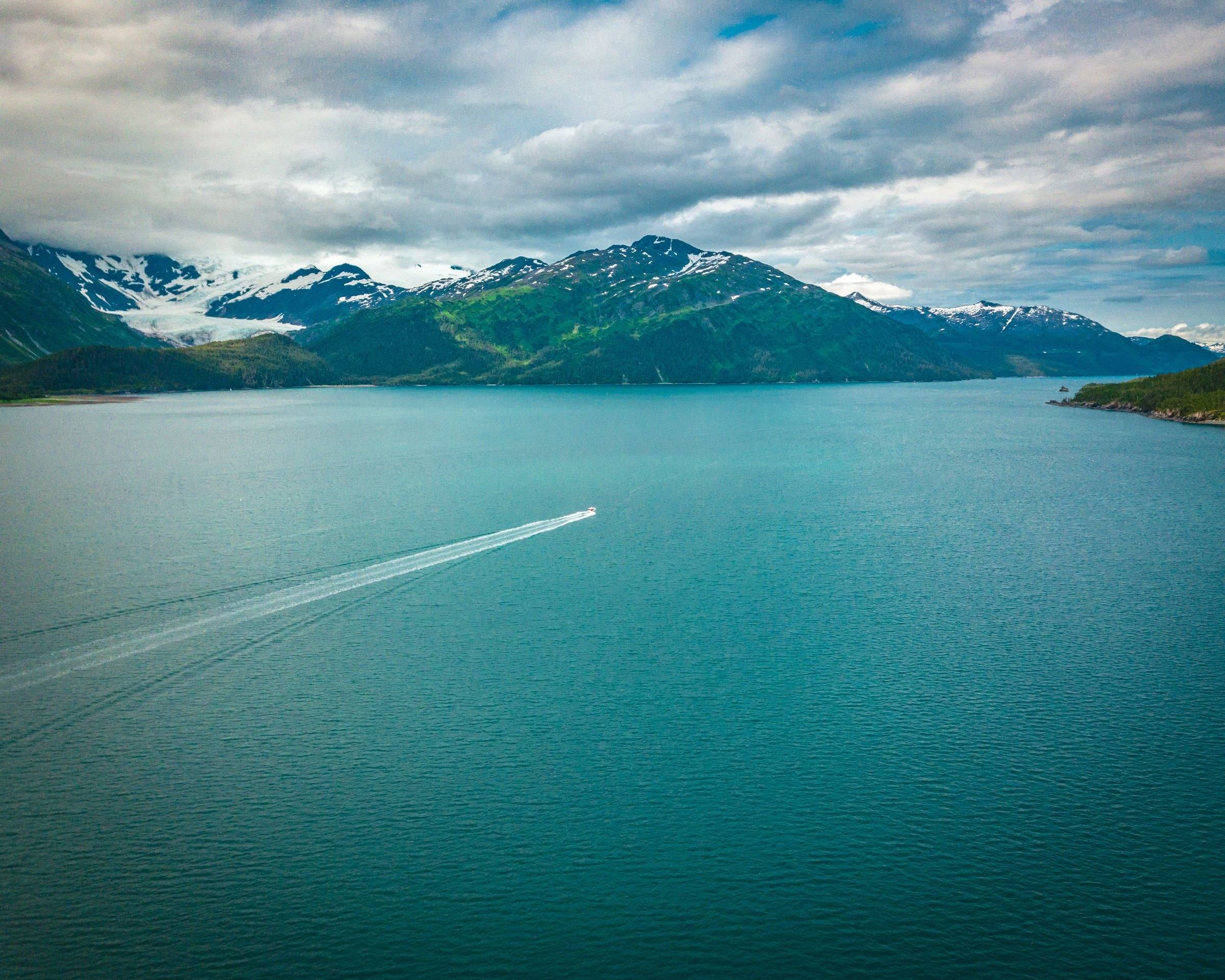
AnchorageSeward
Anchorage to Seward
- Distance
- About 126 miles
- Drive time
- About 2.5 hours without stops
A scenic coastal drive to a harbor town, fjords and glacier cruises.
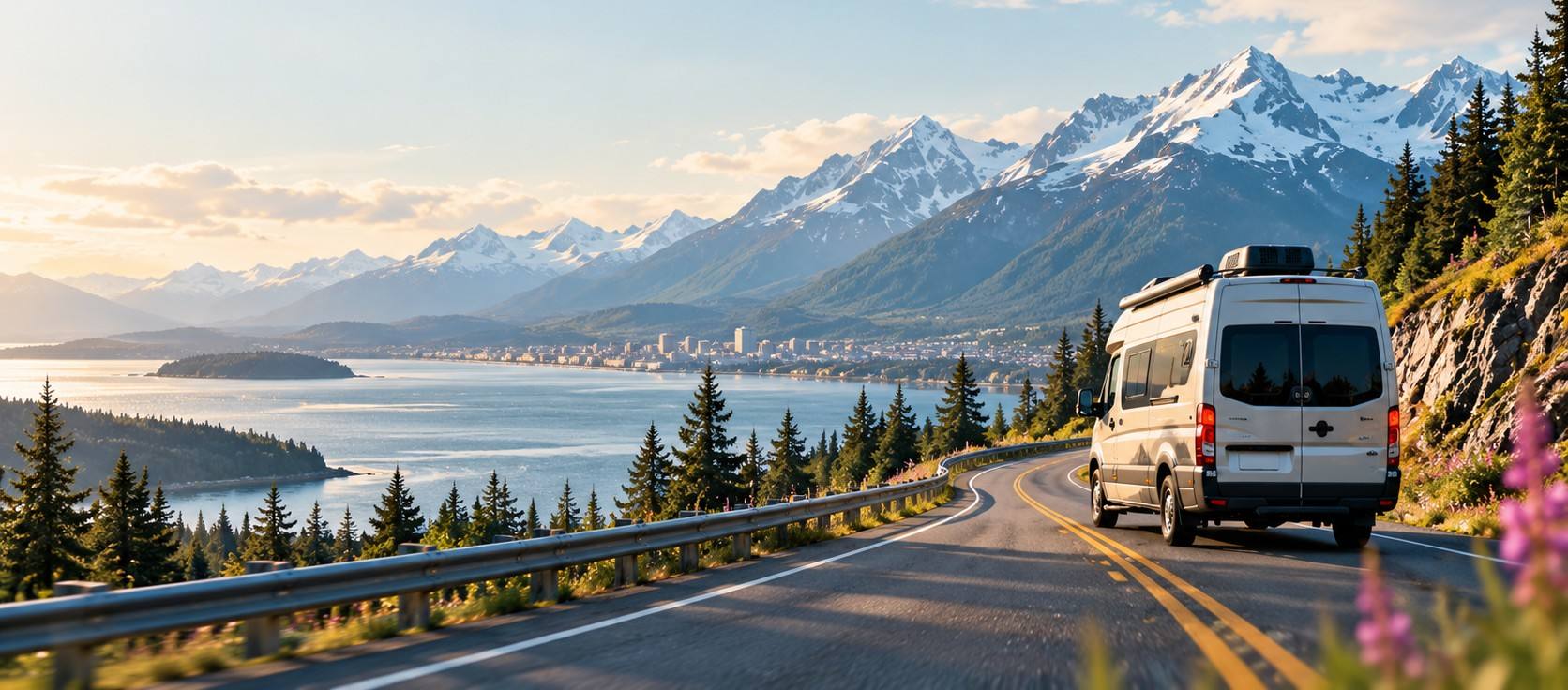
A campervan drives like a large van, parks almost anywhere and fits more campsites. For two travelers moving often, it's often the easiest way to do Alaska.
A wet bath (toilet and shower in one cubicle) adds convenience. Vans without one skip the black-tank chores but depend on campground, park and gas-station facilities.
Expect a bed that converts from a dinette, a small fridge and a one- or two-burner stove. Plan simpler meals and shop more often.
Nights can be cold even in summer. Ask whether the van has a heater and how it's powered.
The advantage is footprint. A campervan handles like a large passenger van, which takes much of the stress out of winding, busy two-lane roads like the Seward Highway along Turnagain Arm. It’s easier to park at crowded summer trailheads and in harbor towns, and it fits into more campsites — including older state park campgrounds with tighter sites.
Fuel is the other win. A campervan generally uses noticeably less fuel than a Class C or Class A motorhome, which adds up over long Alaska distances.
Interiors are carefully packed: a bed that folds into a daytime dinette, a small 12-volt fridge and a compact propane stove. There’s usually no oven. Plan simple meals, shop more often and keep clutter down.
This is the choice that shapes your trip. Larger vans — often built on Mercedes Sprinter or Ford Transit chassis — may include a wet bath, where the toilet and shower share one waterproof cubicle. Smaller, more affordable vans skip the bathroom entirely.
No bathroom means no black-tank dumping, but you’ll plan around state park vault toilets, town facilities and fuel stops. Some travelers find that freeing; others would rather pay for the wet bath.
Need more room? Compare RV rentals. Planning the whole trip? Start with the Alaska RV rental guide.
| What changes | Campervan (Class B) | Class C motorhome |
|---|---|---|
| Driving and parking | Like a large van | Wider and longer; takes practice |
| Campsite fit | Fits more sites | May exceed some site limits |
| Bathroom | Wet bath or none | Usually a full bathroom |
| Sleeping | Usually 2 | Often 4–7 |
| Fuel | Generally better | Generally lower |
Local details that change what you should rent.
Some state park campgrounds post maximum vehicle lengths. Bird Creek in Chugach State Park, south of Anchorage, is one — smaller vehicles have more options.
Hard suitcases are hard to stow in van cabinets. Soft duffels fold away.
Treat a campervan like any RV in town — use campgrounds or RV parks for overnight stays.
Popular drives that start in Anchorage.
A scenic coastal drive to a harbor town, fjords and glacier cruises.
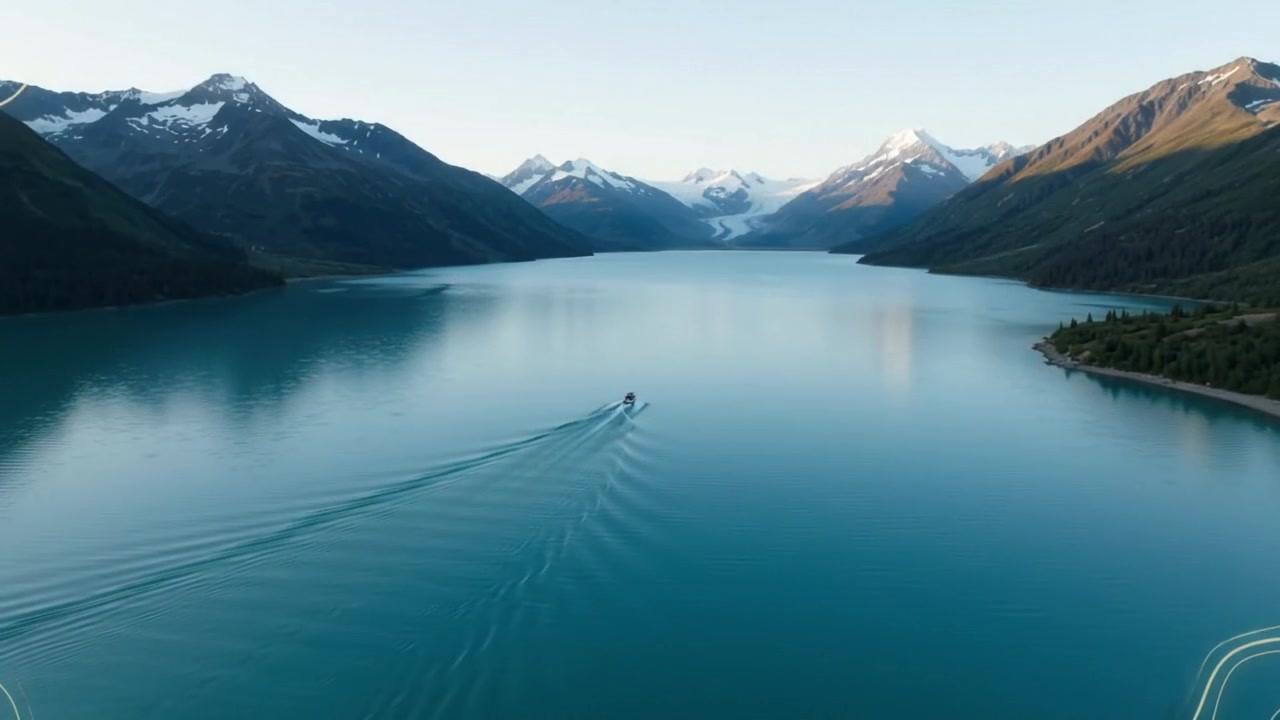
Down the Kenai Peninsula to Kachemak Bay and the Homer Spit.
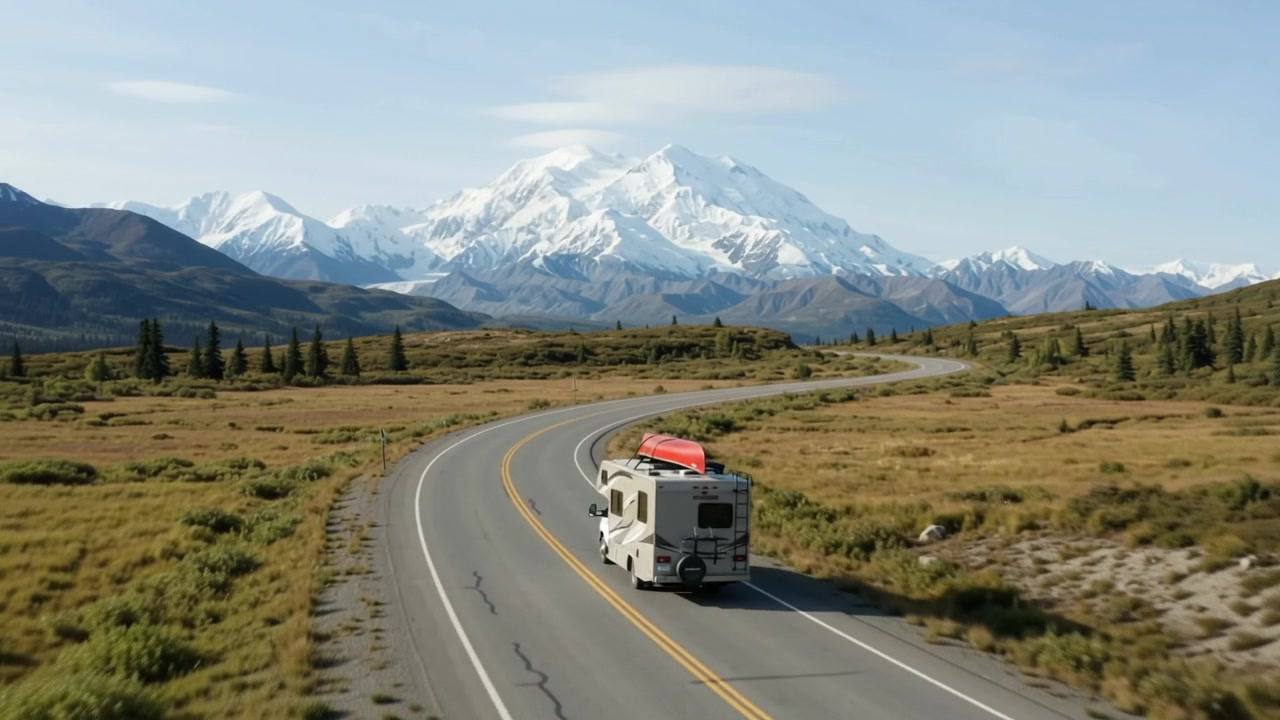
The paved drive north to Denali National Park, with a scenic train alternative.
For most couples, yes — especially if you're comfortable using campground facilities. If you want a full bathroom and more living space for rainy days, compare a small Class C.
Some larger vans have a compact wet bath with a cassette toilet. Many smaller vans have no bathroom at all. Check the listing carefully.
Usually not with a standard rental. Most campervans are 2WD and fall under the same unpaved-road restrictions as larger RVs. Check your agreement.
Alaska Department of Natural Resources
Campgrounds, trails and rules in the park that surrounds much of Anchorage.
dnr.alaska.gov
Alaska DOT&PF
Road conditions and construction before you set out.
511.alaska.gov

Rental guide
Motorhome types, mileage policies, gravel-road rules and pickup logistics.
Guide
Choosing a rig, real costs, road restrictions, campgrounds and bear safety.
Tell us how you're traveling and we'll point you to the right rentals — for a weekend in Anchorage or a month on the road.